







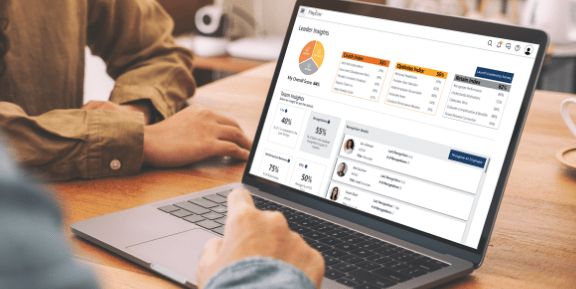

Enterprise recruiting software transforms how large organizations attract, evaluate, and hire talent at scale. The best platforms combine applicant tracking, candidate relationship management, analytics, and automation to streamline complex hiring processes.
For enterprise teams managing thousands of applications across multiple locations, the best enterprise recruitment software will improve candidate quality and recruiter efficiency.
What is Enterprise Recruitment Software?
Enterprise recruitment software is a comprehensive platform designed to manage high-volume hiring across large organizations.
These systems—sometimes confused with Applicant Tracking Systems (ATS) automate job posting, resume screening, interview scheduling, candidate communication, and hiring analytics.
Unlike standard recruiting tools, enterprise recruiting software offers advanced features like multi-location support, complex workflow automation, robust security, extensive integrations, and sophisticated reporting designed for organizations hiring hundreds or thousands of employees annually.
Benefits of Enterprise Recruitment Software
Enterprise recruiting software delivers strategic value across the talent acquisition function including:
- Accelerated Time-to-Hire: Automated workflows, intelligent screening, and coordinated scheduling reduce time-to-hire, helping you secure top talent before competitors.
- Enhanced Recruiter Productivity: Automation reduces administrative tasks, which helps recruiters focus on relationship-building and strategic sourcing.
- Better Candidate Experience: Mobile-friendly applications, transparent communication, and timely updates create positive candidate experiences that strengthen your employer brand.
- Data-Driven Decision Making: Comprehensive analytics surface source effectiveness, pipeline bottlenecks, diversity metrics, and cost-per-hire, enabling continuous improvement.
- Compliance and Auditability: Automated tracking, secure data storage, and audit trails help ensure recruiting compliance with employment regulations across jurisdictions.
Enterprise Recruitment Software Considerations
When looking for the top enterprise recruitment software, you should always prioritize the following factors:
Ratings
Third-party review ratings provide unbiased insights into user satisfaction, so take some time to examine reviews platforms like G2, Capterra, and TrustRadius, paying attention to what enterprise users in your industry are saying.
Look for patterns in feedback regarding implementation support, ongoing reliability, and customer success responsiveness. High ratings from organizations of similar size and complexity indicate the same could happen for you.
Scalability
Enterprise recruitment software needs to handle fluctuating hiring volumes without performance issues, which is why you should always evaluate platforms based on maximum user capacity, concurrent requisition limits, application processing speed, and multi-location support.
The system should scale seamlessly during acquisition integrations, seasonal hiring surges, or rapid growth periods while maintaining performance standards.
Automation
Intelligent automation—including the use of AI—reduces recruiter workload and accelerates hiring. So prioritize offering automated resume screening, interview scheduling, candidate communications, status updates, and workflow triggers.
User Experience
Intuitive interfaces improve adoption across recruiting teams, hiring managers, and candidates. Evaluate user experience from multiple perspectives: recruiters need efficient workflows, hiring managers require simple feedback submission, and candidates expect mobile-friendly applications. Clean navigation, logical information architecture, and contextual help reduce training requirements and support tickets.
Mobile Accessibility
Mobile functionality is essential for modern enterprise recruiting systems. Candidates increasingly apply via smartphone, while recruiters and hiring managers need on-the-go access. Look for responsive design that adapts to any screen size, mobile-optimized applications, push notifications, and full functionality across devices. Strong mobile capabilities expand your talent pool and accelerate decision-making.
Integration
Enterprise recruitment software must also integrate with your current HR software.
Make sure the platform has integrations robust APIs that connect to your HRIS, payroll, background check providers, assessment tools, video interview platforms, and calendar systems.
Security
Enterprise-grade security protects sensitive candidate and company data. Evaluate platforms based on data encryption, role-based access controls, single sign-on (SSO), multi-factor authentication, SOC 2 compliance, GDPR readiness, and audit logging. Security certifications demonstrate vendor commitment to data protection and regulatory compliance.
5 Best Enterprise Recruiting Software
The following platforms are some of the leading enterprise recruiting solutions. Each software offers specialized recruiting capabilities designed for large organizations with sophisticated hiring needs.
Paycor
Paycor provides an enterprise recruiting software designed for mid-market and large organizations. The platform combines applicant tracking, candidate sourcing, interview management, and analytics within Paycor’s HCM software.
Core Functionality: Paycor Recruiting automates job posting to multiple boards, screens resumes using configurable criteria, coordinates interview scheduling, and tracks candidates through customizable hiring workflows. Integration with Paycor’s HCM modules enables seamless transition from candidate to employee, eliminating duplicate data entry and supporting a smooth onboarding experience.
Key Features: Multi-channel job posting, AI-powered résumé screening, automated interview scheduling, customizable workflows, mobile applications, candidate texting, video interviewing, analytics dashboards, compliance tracking, and integration with Paycor HCM.
Pros
- The unified HCM platform eliminates integration complexity between recruiting, onboarding, payroll, and HR system.
- Smart Sourcing technology uses AI to identify qualified candidates from diverse sources.
- Configurable workflows adapt to different roles, departments, and locations.
- Dedicated implementation support and customer success management.
Cons
- Best value realized when leveraging multiple Paycor HCM modules.
- Primarily designed for organizations with 500+ employees.
Greenhouse
Greenhouse is a leading applicant tracking system with strong enterprise adoption. According to G2, Greenhouse customers “see an average of 85% company-wide engagement, a 27% improvement in average time-to-hire, a 31% reduction in average cost-per-hire and a 36% increase in recruiter efficiency.”
Core Functionality: Greenhouse emphasizes structured hiring through defined scorecards, standardized interviews, and data-driven decisions. Capterra reviewers praise it as “an invaluable tool for streamlining and optimizing our hiring processes” and highlight how it’s “user friendly” with “everything centralized.”
Key Features: Structured hiring scorecards, interview kits, automated scheduling, candidate relationship management (CRM), diversity and inclusion tools, extensive integrations, analytics and reporting, and mobile access.
Pros
- G2 reviewers praise how much time it saves by streamlining the hiring process.
- Structured hiring approach reduces bias and improves hiring decisions.
- Capterra users note “automated reminders for feedback and tasks” improve process completion.
- Extensive integration ecosystem with 400+ tools.
Cons
- Capterra reviewers say “Greenhouse reporting also needs to be exported to Excel or Google sheets to get a better visual.”
- Premium pricing may exceed budget for smaller organizations.
- Implementation requires time investment for complex configurations.
Workday Recruiting
Workday Recruiting is part of the Workday HCM suite designed for large enterprises. The platform integrates recruiting with broader talent management and workforce planning capabilities.
Core Functionality: Workday Recruiting manages the complete hiring process from requisition through offer acceptance. The system emphasizes talent acquisition as part of strategic workforce planning, connecting recruiting data with organizational goals, workforce analytics, and succession planning.
Key Features: Requisition management, candidate sourcing, applicant tracking, interview scheduling, offer management, talent pools, workforce planning integration, global capabilities, and advanced analytics.
Pros
- Deep integration with Workday HCM and Financial Management. Capterra reviewers appreciate that “it creates a unified system, centralizes HR, benefits, talents and it in ONE platform.”
- Strong global capabilities for multinational hiring.
- Workforce planning features connect recruiting to business strategy.
- Comprehensive talent management suite beyond recruiting.
Cons
- Significant investment required for implementation and licensing.
- Best suited for organizations already using Workday HCM.
- Customer support may be lacking. G2 reviewers report “After you go live with Workday, you can forget customer support. You have to pay a consultant to help you.”
SAP SuccessFactors Recruiting
SAP SuccessFactors Recruiting is part of the SuccessFactors HCM suite designed for large, global enterprises. The platform offers comprehensive talent acquisition capabilities integrated with broader HR processes.
Core Functionality: SuccessFactors Recruiting manages job postings, candidate applications, interview processes, and offer management. The system integrates with SuccessFactors Onboarding, Performance Management, and Learning modules to support the complete employee lifecycle.
Key Features: Career site builder, multi-channel job distribution, applicant tracking, interview management, offer letter generation, talent pools, analytics, mobile recruiting, and global compliance support.
Pros
- Strong integration with SAP enterprise systems.
- Comprehensive HCM suite covers full employee lifecycle.
- G2 users praise its “user-friendly design.”
- Cloud-based platform with regular updates.
Cons
- Complex configuration requires specialized knowledge, and G2 reviewers say its “integrations with non-SAP systems can be challenging.”
- User interface may feel less modern compared to newer platforms.
- Higher total cost of ownership including implementation.
iCIMS Talent Cloud
iCIMS Talent Cloud is an enterprise recruiting platform designed for high-volume hiring organizations. The system emphasizes candidate experience and recruiter efficiency through modern, mobile-first design.
Core Functionality: iCIMS manages the complete talent acquisition process from attraction through onboarding. The platform offers applicant tracking, candidate relationship management, text recruiting, video interviewing, and onboarding in a unified system.
Key Features: Applicant tracking, CRM capabilities, text recruiting, video interviews, career sites, mobile applications, talent pools, analytics, compliance tools, and integration marketplace.
Pros
- Mobile-first design enhances candidate experience.
- Strong capabilities for high-volume hiring. Capterra reviewers report “iCIMS can handle large volumes of job postings, resumes, and candidate data.”
- Text recruiting features improve candidate engagement.
- Extensive marketplace of partner integrations.
Cons
- Reporting capabilities may require customization.
- Learning curve for advanced features.
- Some integrations require third-party marketplace partners.
- Higher cost. Capterra reviewers say, “Cost was very high compared [to] similar products.”
How to Choose the Best Enterprise Recruitment Software
So how do you decide which enterprise recruiting system is best you? Here’s how to evaluate your options:
- Assess Your Current State: Document your existing recruiting process, identify pain points, measure key metrics (time-to-hire, cost-per-hire, quality-of-hire), and calculate recruiter workload.
- Define Your Requirements: List the must-have capabilities, nice-to-have features, and functionality you don’t need. Consider hiring volume, role complexity, geographic distribution, integration needs, and compliance requirements. Involve recruiters, hiring managers, and IT stakeholders in the decision-making process. They will know the most about what is needed from the software.
- Evaluate Features: Compare platforms based on features that address your specific challenges. But focus on the capabilities that improve recruiter efficiency, enhance candidate experience, and provide actionable analytics.
- Analyze Costs: Look beyond subscription fees to understand total cost of ownership. Factor in implementation fees, integration development, data migration, training, and ongoing support.
- Test Usability: Request demos and trial access. Have recruiters, hiring managers, and candidates evaluate workflows from their perspectives. Assess mobile experience, as many candidates apply via smartphone.
- Verify References: If possible,contact existing customers in similar industries and of comparable size to ask about their implementation experience, the reliability of the system, and the company’s customer support.
The Best Recruitment Software Features to Have
Although all enterprise recruitment software is different, there are a few features that many have in common. These include:
Automated Resume Screening
AI-powered resume screening analyzes applications against job requirements and automatically ranks candidates by fit. Advanced systems parse resumes to extract skills, experience, education, and qualifications, then score candidates based on configurable criteria.
This automation reduces time-to-screen from hours to minutes while eliminating unconscious bias. You can also look for enterprise recruitment systems that learn from your hiring decisions to continuously improve matching accuracy.
Applicant Tracking
Robust applicant tracking features help provide complete visibility into candidate progress through hiring workflows. The system should display pipeline stages, track candidate status, log all interactions, store interview feedback, and generate audit trails.
Streamlined Hiring Processes
Streamlined and automated processes can reduce time-to-hire while improving candidate experience with consistent communication.
Look for platforms that:
- Automatically post jobs to multiple boards
- Send candidate communications based on stage changes
- Schedule interviews by coordinating multiple calendars
- Route approvals through proper channels
- Trigger background checks when offers are extended.
Data Analytics
Analytics transform recruiting processes from a gut feel to data-driven decision making. This is done by giving you access to several different types of recruiting metrics, including time to hire, cost-per hire, source effectiveness, and pipelines health, to name a few.
AI Assistance
AI-powered features are some of the best enterprise recruitment features you could have. They offer advanced capabilities that help you find the best-fit applicants and provide predictive analytics and forecasting data to determine time-to-fill and flight risk metrics.
Why Choose Paycor as Your Enterprise Recruiting Software
Paycor’s enterprise recruiting software addresses all the key considerations outlined above while delivering additional strategic value. For instance, Paycor’s recruiting software offers
- Proven Enterprise Performance: Paycor has consistently high ratings for reliability, user experience, and support quality.
- Intelligent Automation: AI-powered Smart Sourcing identifies qualified candidates from diverse sources, while automated screening can reduce recruiter workload.
- Exceptional User Experience: Intuitive interfaces designed for recruiters, hiring managers, and candidates ensure high adoption.
- Mobile-First Design: Full recruiting functionality on mobile devices—from candidate applications to recruiter pipeline management—ensures accessibility anywhere.
- Seamless Integration: Paycor’s HCM platform eliminates data silos between recruiting, onboarding, payroll, and HR systems, and the pre-built connections to background check providers, assessment tools, and job boards reduce implementation time.
- Enterprise-Grade Security: Paycor’s enterprise recruiting software hasrole-based access controls, data encryption, SOC 2 certification, and comprehensive audit trails protect sensitive candidate information. It also has compliance features to help ensure adherence to EEOC, OFCCP, and GDPR requirements.
- Dedicated Support: Implementation specialists, ongoing customer success management, and 24/7 technical support help ensure you have a smooth deployment with long-term success.
Recruit with Paycor: One of The Best Enterprise Recruiting Software Solutions
Ready to simplify your entire enterprise recruiting process? Paycor’s comprehensive software accelerates time-to-hire, improves candidate quality, and increases recruiter productivity through intelligent automation and seamless integration.
With unified HCM capabilities, you can streamline the recruiting, onboarding, payroll, and HR processes.
Take a Guided Tour to see why Paycor is considered one of the best enterprise recruiting software companies that transforms your talent acquisition strategy and delivers measurable ROI.
Enterprise Recruitment Software FAQs
Still ave questions about enterprise recruting software? Read on!
Who should use enterprise recruitment software?
Enterprise recruitment software is designed for organizations with hundreds of employees, complex hiring needs, multiple locations, or high hiring volumes.
Companies experiencing rapid growth, managing acquisitions, operating in regulated industries, or struggling with recruiting inefficiencies are the ones who will benefit most from an enterprise recruiting software.
If your organization hires 100+ employees annually, manages diverse roles across departments, or requires sophisticated analytics and compliance features, you will want to make sure you have recruiting software for enterprise businesses that provide value improved efficiency, better hiring decisions, and scalable processes.
Can enterprise recruiting software support high-volume
hiring and talent pooling?
Yes, enterprise recruiting software is specifically designed for high-volume hiring scenarios. These platforms process thousands of applications efficiently through automated screening, bulk communication tools, and scalable infrastructure.
Many have talent pooling features that allow organizations to maintain relationships with qualified candidates for future opportunities. But the best have advanced systems that segment talent pools by skills, experience, and interest areas, enabling targeted outreach when relevant positions open.
Can you outsource while using enterprise
recruitment software?
Yes, enterprise recruitment software accommodates outsourced recruiting relationships. Most platforms offer role-based permissions that grant recruitment process outsourcing (RPO) partners appropriate access to requisitions, candidates, and workflows without compromising security.
RPO teams can source candidates, screen applications, and manage interviews while your internal team maintains visibility and control. The system tracks which party performs each activity, helping to ensure accountability and audit trails.
The information in this article is based on research of the third-party review websites cited below. Information is accurate as of January 10, 2026, and is subject to change.
Greenhouse G2 user review data as of January 10, 2026
Greenhouse Capterra user review data as of January 10, 2026
Workday HCM Capterra user review data as of January 10, 2026
Workday Recruiting G2 user review data as of January 10, 2026
SAP SuccessFactors Recruiting G2 user review data as of January 10, 2026
iCIMS Talent Cloud Capterra user review data as of January 10, 2026