







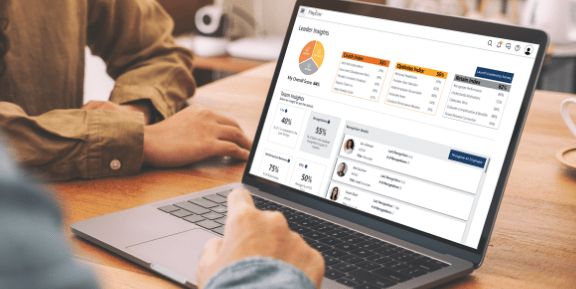

Workforce management (WFM) has evolved from simple timekeeping in a spreadsheet into a strategic business function. Modern workforce management encompasses scheduling, time tracking, labor forecasting, compliance, and analytics—all of which are central to controlling costs and optimizing productivity. With the workforce management software market valued at billions and growing rapidly, organizations have more choices than ever when selecting the right platform.
The challenge?
Buyers find that not all workforce management solutions deliver equal value. Some excel at enterprise complexity while others shine with their simplicity for small teams. Some prioritize scheduling automation while others focus on compliance and analytics. Choosing the wrong platform can lead to implementation struggles, user frustration, and missed opportunities to improve operational efficiency.
This guide examines the best workforce management software companies in 2026 to help you find which providers align with your organizational needs, industry requirements, and growth plans.
Importance of Selecting the Best Workforce Management Software
The workforce management software you choose directly affects your bottom line. Comprehensive WFM solutions reduce labor costs and boost productivity by minimizing manual errors, automating complex scheduling, and providing real-time visibility into labor metrics while also improving employee satisfaction through schedule transparency, easy shift swapping, mobile access, and streamlined time-off requests. Managers gain tools for data-driven staffing decisions, compliance monitoring, and performance tracking.
The stakes are particularly high in retail, healthcare, hospitality, manufacturing, and professional services, where labor is the largest operating expense and regulatory compliance carries significant risk. Selecting the right workforce management software transforms these challenges into competitive advantages.
Considerations for Choosing Top Workforce Management Providers
Before evaluating specific workforce management software vendors, assess your organization’s unique needs, such as:
Industry and Regulatory Requirements
Does your industry have specific labor laws, union agreements, or compliance needs? For instance, healthcare organizations need to monitor staffing ratios and hours worked for PBJ compliance, while retailers managing hourly workers in multiple states need multi-jurisdiction wage and hour law support.
Organization Size and Complexity
Small businesses with 50 employees have vastly different needs than enterprises managing 10,000 workers across multiple states. Consider your current size, growth trajectory, and organizational structure. Will you need multi-site management, department hierarchies, or global capabilities?
Scheduling Complexity
Evaluate your scheduling requirements. Do you need advanced scheduling with shift bidding, automated schedule optimization, or simple manager-created rosters? Consider factors like 24/7 operations, varying skill requirements, and demand-based forecasting.
Integration Requirements
Your workforce management system must connect seamlessly with payroll, HRIS, benefits administration, accounting software, and potentially point-of-sale or ERP systems. Assess whether you need pre-built connectors, API access, or can manage with file-based integrations.
Mobile Workforce Needs
Organizations with field workers, remote employees, or deskless teams need robust mobile workforce management capabilities. The best workforce management software companies will also have a mobile app to support offline functionality, geofencing, and mobile-first design.
Reporting and Analytics
Consider what workforce insights you need. Basic compliance reports? Advanced labor analytics? AI insights for workforce management that predict turnover or forecast demand? Whatever it is, define your reporting requirements before considering platforms. This will help a lot more down the line.
Implementation and Support
Assess vendor implementation methodology, timeline expectations, training resources, and ongoing support quality. Complex enterprises may need dedicated implementation teams while smaller organizations benefit from quick, self-service deployments.
Best Workforce Management Software Companies
Not all workforce management platforms are created equal. The best solutions combine robust scheduling, time and attendance tracking, payroll integration, and compliance tools in a single, user-friendly platform. The companies below have earned recognition for delivering measurable results across a range of industries and business sizes, from growing mid-market organizations to large enterprise operations.
Paycor
Paycor delivers a comprehensive workforce management software designed for mid-market organizations seeking enterprise-grade capabilities without overwhelming complexity. The platform combines time and attendance software, advanced employee scheduling software, labor analytics, and mobile access within a unified HCM system.
Industry Focus: Paycor serves mid-sized businesses across manufacturing, healthcare, restaurants, professional services, and retail. The platform provides industry-specific configurations that address unique compliance requirements, scheduling patterns, and workforce management challenges in each vertical.
Core Functionality: Paycor’s workforce management solution integrates seamlessly with payroll, HR, and benefits administration, creating a single source of truth for employee data. This integration eliminates duplicate data entry, reduces errors, and ensures labor costs flow automatically into payroll processing.
Key Features:
- Time & Attendance Management: Multiple clock-in options including biometric devices, mobile apps, web-based time clocks, and kiosks. Automated overtime calculations, meal break tracking, and exception management reduce compliance risk.
- Advanced Scheduling: Create optimized schedules based on labor forecasts, employee availability, and skill requirements. Employees can view schedules, request time off, and swap shifts through self-service portals.
- Labor Analytics: Customizable dashboards provide real-time visibility into labor costs, overtime trends, schedule adherence, and productivity metrics. Generate compliance reports and gain insights that inform strategic workforce decisions.
- Mobile Access: Paycor’s mobile app empowers employees to clock in/out, review schedules, request PTO, and access pay information from anywhere. Managers can approve timecards, review staffing levels, and respond to scheduling needs on the go.
- Compliance Tools: Automated alerts for potential overtime violations, missing breaks, and other compliance issues. Built-in support for federal, state, and local labor regulations including predictive scheduling laws.
Paycor’s workforce management capabilities earned recognition with three TrustRadius 2025 Top Rated Awards and a perfect mobile score in independent analysis, demonstrating the platform’s effectiveness for organizations requiring robust functionality with exceptional usability.
UKG
UKG provides workforce management through two primary platforms: UKG Dimensions for mid-to-large enterprises and UKG Ready for small to mid-sized businesses. Both solutions emphasize advanced scheduling, time tracking, and compliance management with machine learning capabilities that optimize staffing decisions.
Industry Focus: UKG serves organizations across healthcare, manufacturing, retail, hospitality, and public sector with expertise in complex, shift-based industries requiring sophisticated workforce management capabilities.
Core Functionality: UKG platforms use AI and machine learning for predictive workforce planning, dynamic scheduling that reduces understaffing, and real-time labor analytics. The systems handle complex pay rules, union agreements, and multi-state compliance requirements.
Key Features:
- Predictive scheduling with AI-driven demand forecasting
- Advanced time and attendance with biometric options
- Employee self-service for schedule management and shift swapping
- Compliance tracking for wage and hour laws, break requirements, and predictive scheduling regulations
- Workforce analytics with customizable dashboards and reporting
- Mobile applications for employees and managers
UKG solutions work well for organizations with complex scheduling requirements, union environments, or large workforces requiring sophisticated automation and compliance tools.
ADP Workforce Management (WorkForce Suite)
ADP offers workforce management capabilities ranging from small business solutions within RUN Powered by ADP to enterprise-grade WorkForce Suite for large organizations with complex global requirements.
Industry Focus: ADP serves businesses of all sizes with particular strength in mid-market and enterprise organizations managing multi-state or international operations. The platform addresses needs across healthcare, manufacturing, retail, financial services, and professional services.
Core Functionality: ADP WorkForce Suite accommodates unique pay rules, labor regulations, and complex scheduling across global operations. The platform emphasizes compliance, automation, and integration with ADP’s broader HCM ecosystem.
Key Features:
- Global workforce management supporting multiple countries and labor regulations
- Advanced scheduling with demand-based forecasting
- Time and attendance with multiple clock-in methods and exception management
- Leave management including FMLA, state sick leave, and company policies
- Real-time compliance tracking and alerts
- Integration with ADP payroll and HR systems
- Mobile workforce management applications
- Labor analytics and custom reporting
Organizations already using ADP for payroll or HR benefit from integration, while WorkForce Suite’s sophisticated capabilities support complex, global workforce management requirements.
Workday HCM
Workday provides enterprise-grade workforce management within its comprehensive HCM platform. The system delivers scheduling, time tracking, and workforce analytics designed for large organizations with global operations and complex requirements.
Industry Focus: Workday serves large enterprises and multinational corporations across technology, financial services, healthcare, higher education, and professional services. The platform does well for organizations requiring global workforce management.
Core Functionality: Workday’s cloud-native architecture combines workforce management with core HR, payroll, talent management, and analytics in a single platform. This unified approach helps ensure consistent data across all HR functions and enables advanced workforce planning.
Key Features:
- Global time tracking supporting multi-country labor regulations
- Skills-based scheduling that matches workers to requirements
- Absence management with configurable policies and accrual rules
- Real-time labor cost analytics integrated with financial planning
- Workforce forecasting and scenario planning
- Mobile applications for time entry and schedule management
- Integration with Workday HCM, payroll, and financial systems
Workday’s strength lies in its enterprise capabilities, though implementation complexity and cost make it better suited for large organizations with resources to maximize the platform’s potential.
Dayforce
Dayforce (formerly Ceridian) combines HCM and workforce management in a single platform with real-time calculation capabilities. The system offers payroll, scheduling, time tracking, and workforce analytics within one unified database.
Industry Focus: Dayforce serves mid-sized to large organizations across retail, hospitality, healthcare, manufacturing, and professional services. The platform works well for businesses requiring real-time payroll integration with workforce management.
Core Functionality: Dayforce’s continuous payroll calculation architecture means every time punch, schedule change, or wage adjustment immediately updates in the system. This real-time approach provides visibility into labor costs and enables same-day payroll processing.
Key Features:
- Continuous payroll calculation with real-time labor cost visibility
- Advanced scheduling with demand forecasting and optimization
- Time and attendance with multiple collection methods
- Absence management and leave tracking
- Workforce analytics and reporting
- Mobile applications for employees and managers
- Global workforce management capabilities
- Integration with Dayforce HCM and payroll systems
Organizations prioritizing real-time payroll accuracy and integrated workforce management find Dayforce’s continuous calculation approach delivers value.
SAP SuccessFactors
SAP SuccessFactors provides workforce management capabilities within its comprehensive HCM suite. The platform emphasizes global workforce planning, talent optimization, and compliance management for large multinational enterprises.
Industry Focus: SAP SuccessFactors serves large enterprises and multinational corporations requiring sophisticated global workforce management, particularly organizations already invested in the SAP ecosystem.
Core Functionality: SuccessFactors integrates workforce management with talent management, core HR, and analytics. The platform’s strength lies in connecting workforce planning with talent development, succession planning, and organizational strategy.
Key Features:
- Global time and attendance management
- Workforce scheduling and shift planning
- Absence and leave management across multiple countries
- Workforce analytics and interactive dashboards
- Integration with SAP HCM, payroll, and ERP systems
- Compliance management for international labor regulations
- Mobile workforce management applications
SuccessFactors works best for large organizations with complex global requirements and existing SAP investments seeking unified talent and workforce management.
Rippling
Rippling delivers workforce management capabilities as part of its unified platform for HR, IT, and finance management. The system emphasizes automation, integration, and ease of use for growing companies.
Industry Focus: Rippling serves small to mid-sized businesses and growth-stage companies, particularly in technology and professional services. The platform appeals to organizations looking for modern, unified workforce management without enterprise complexity.
Core Functionality: Rippling’s unified employee database ensures workforce management data automatically syncs across payroll, HR, benefits, and IT systems. Changes made once update everywhere, reducing administrative burden and improving accuracy.
Key Features:
- Time tracking with multiple clock-in options and geofencing
- Employee scheduling with self-service shift management
- PTO tracking and absence management
- Automated timesheet approval workflows
- Integration with Rippling payroll, HR, and benefits
- Mobile applications for time entry and schedule access
- Workforce analytics and reporting
Rippling’s strength lies in its unified approach and ease of implementation, making it attractive for growing companies wanting comprehensive functionality without lengthy deployments.
Which Is the Best Workforce Management Software for Businesses?
No single platform serves every use case equally well. In fact, finding the best workforce management system depends on your organization’s specific needs, size, industry, and technical environment. For instance:
- Small businesses typically benefit from solutions emphasizing ease of use, quick implementation, and upfront pricing. They need core time tracking, basic scheduling, and mobile access.
- Mid-market companies require platforms that balance functionality with reasonable complexity. They need advanced scheduling, compliance tools, analytics, and payroll and HR system integration.
- Enterprise organizations need sophisticated platforms handling global operations, complex organizational structures, union agreements, and advanced workforce analytics.
Why Paycor Is One of the Leading Workforce Management Systems
Paycor stands out among workforce management providers for several compelling reasons:
Unified HCM Platform
Unlike solutions requiring multiple vendors, Paycor integrates workforce management with payroll, HR, benefits, talent management, and HR analytics. This unified approach eliminates data silos, reduces vendor management complexity, and helps ensure consistency across all people management functions.
Industry Expertise
Paycor provides solutions for manufacturing, healthcare, restaurants, and professional services to address unique compliance requirements, scheduling patterns, and workforce challenges.
Mobile-First Design
Paycor’s workforce management software also comes with a mobile app that is excellent for organizations with field workers, remote employees, or shift-based hourly workers. Employees can clock in/out, view schedules, request time off, and access information from their phones. Managers can also approve timecards, review staffing levels, and respond to scheduling needs on the go, from anywhere.
Comprehensive Integration Ecosystem
Paycor offers 400+ native integrations, connections, and open APIs. This extensive integration capability ensures workforce management data flows to and from payroll providers, benefits carriers, accounting systems, POS platforms, and other business tools.
Compliance Expertise
Compliance grows increasingly complex with predictive scheduling laws, state sick leave laws, overtime regulations, and industry-specific rules.
Paycor builds compliance functionality directly into the platform with automated alerts, configurable rules, and regular updates reflecting regulatory changes. Organizations reduce compliance risk while minimizing the burden of tracking evolving regulations.
Use Paycor’s Best Workforce Management Software Solutions
Whether you’re looking to reduce labor costs, improve compliance, optimize scheduling, or gain better visibility into workforce metrics, Paycor provides some of the best workforce management tools and expertise to help you achieve your goals.
Check out our workforce management toolkit or take a guided tour to see how Paycor’s workforce management software can modernize your operations, reduce administrative burden, and deliver measurable improvements in productivity and efficiency.
The information in this article is based on research of the third-party review websites and publicly available data. Information is accurate as of February 10, 2026 and is subject to change.