








Who has time for manual recruiting? Sorting through resumes, scheduling interviews, and sending follow-up emails shouldn’t consume all of your recruiters’ time. If you want to connect with top talent, you need to streamline the process.
The solution is recruitment automation. Smart HR teams use technology to handle repetitive tasks. That way, recruiters can spend their time evaluating talent, building relationships, and making the hiring decisions that drive business results.
What Is Recruitment Automation?
Like any kind of HR automation, this process uses software to streamline the repetitive, time-consuming parts of recruiting. Stop manually posting jobs to multiple sites. Say goodbye to emailing every candidate individually. When you let automated systems handle the admin, HR leaders can focus on more strategic priorities.
Yes, recruitment automation saves time, but that’s just the beginning. It also creates consistent candidate experiences, reduces human error, and generates the data you need to make better hiring decisions. When routine tasks run automatically, your team has more capacity for the work that requires human judgment: evaluating cultural fit, conducting meaningful interviews, and personally connecting with top talent.
Types of Recruiting Automation
Various types of software handle different parts of the hiring process. These are some of the most common recruitment tools:
Resume Screening and Parsing: These tools analyze applications against job requirements, pulling out key information and ranking candidates based on their qualifications. Some products can process hundreds of resumes in minutes, surfacing promising candidates your team might otherwise miss in the pile.
Candidate Sourcing: Automated sourcing tools search job boards, social media, and professional networks to identify potential candidates. Use them to proactively expand your talent pipeline and prepare for your company’s next hiring surge.
Communication Automation: Email sequences keep candidates engaged throughout the hiring process. Automated messages acknowledge applications, provide status updates, and send rejection notices when needed. Consistent communication protects your employer brand even when you’re not moving forward with a candidate.
Onboarding Automation: Once you make an offer, automated workflows handle paperwork, benefits enrollment, and other logistics. New hires complete necessary tasks before their start date, driving productivity from day one.
Recruitment Automation Process and Workflow
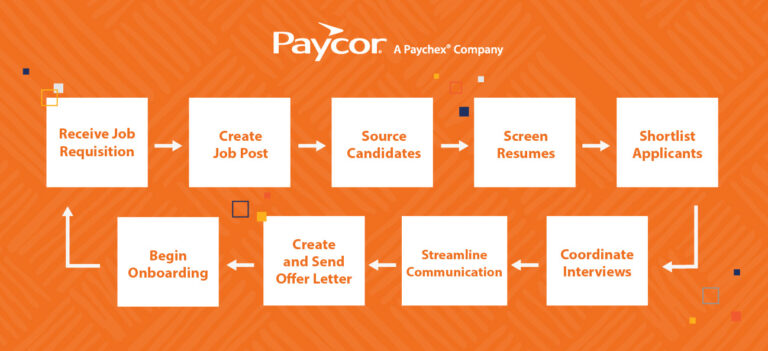
An automated recruitment workflow can streamline every step of the hiring process. Here’s how it typically works:
Job Requisition and Posting
The workflow starts when a hiring manager submits a job requisition. Automated systems route the request through approval workflows, eliminating manual follow-ups. Once approved, the software generates job descriptions using AI and posts them across multiple job boards simultaneously. With the right tools, you can reach thousands of candidates in minutes instead of hours or days.
Candidate Sourcing and Application
Automated sourcing tools scan databases and job boards to identify potential candidates. The system reaches out with personalized messages, inviting qualified people to apply. When candidates submit applications, resume parsing technology extracts relevant information and populates candidate profiles automatically.
Screening and Shortlisting
Automation software evaluates job applications against predefined criteria, ranking candidates based on qualifications and experience. Automated screening questions filter out unqualified applicants before they reach your desk. The system creates a shortlist of top candidates and notifies recruiters to begin interviews.
Interview Coordination
Scheduling tools integrate with calendars to find available time slots. Candidates select their preferred interview times, and the system sends confirmations and reminders to all participants. Video interview links generate automatically, creating a seamless experience for remote hiring.
Candidate Communication
Throughout the process, automated email sequences keep candidates informed. They receive acknowledgment messages when they apply, status updates as they move through interview stages, and timely notifications about next steps. Rejected candidates get professional closure instead of radio silence.
Offer Management and Onboarding
When you’re ready to make an offer, the system generates letters with accurate compensation details. Candidates receive and sign offers electronically. Their acceptance automatically triggers onboarding workflows, so new hires quickly receive all the paperwork they need to complete before their start date.
Benefits of Recruiting Automation
Automated recruiting delivers measurable improvements, such as:
Faster Time-to-Hire
In competitive talent markets, speed is your competitive edge. Automation cuts weeks off your hiring timeline by eliminating delays in posting jobs, screening resumes, and scheduling interviews. Your team can move top candidates through the pipeline before competitors even respond to their applications.
Reduced Costs
Manual recruiting is expensive. Recruiter hours, job board fees, and agency costs add up quickly. Automation reduces these expenses by handling repetitive tasks, improving recruiter productivity, and decreasing your reliance on external support. Automation saves time, money, and energy for everyone on your team.
Improved Candidate Quality
Automated screening evaluates every applicant against consistent criteria, connecting you with people who actually match your requirements. You’re not relying on a recruiter’s attention span after reviewing the 200th resume. Effective HR software can identify qualified options your team might otherwise miss.
Enhanced Candidate Experience
Job applicants evaluate your business just as carefully as you read their resumes. Automated communication keeps candidates informed at every stage, eliminating the frustration of waiting for updates. Quick responses, clear timelines, and professional interactions make your company stand out. Candidates will remember how you treated them, whether you hire them or not.
Better Compliance and Documentation
Recruiting compliance requirements are more complex than ever, and they’re changing fast. An automated system can maintain detailed records of every interaction, creating audit trails that protect your company. Built-in compliance checks ensure you’re following EEOC guidelines and fair hiring practices at every step.
Data-Driven Decision Making
Automated recruiting generates analytics on every aspect of your hiring process. Which channels deliver the best candidates? Where are bottlenecks slowing down offers? How do individual recruiters perform? When you know which processes drive the best results, you can update your strategy accordingly.
Scalability
Your hiring volume fluctuates. And when business growth demands rapid movement, your recruiting infrastructure needs to scale instantly. Robust software can handle 10 applications or 1,000 without breaking down or losing track of the details. In fact, employees estimate automation could save them 240 hours per year (Vena Solutions).
How to Automate the Recruitment Process
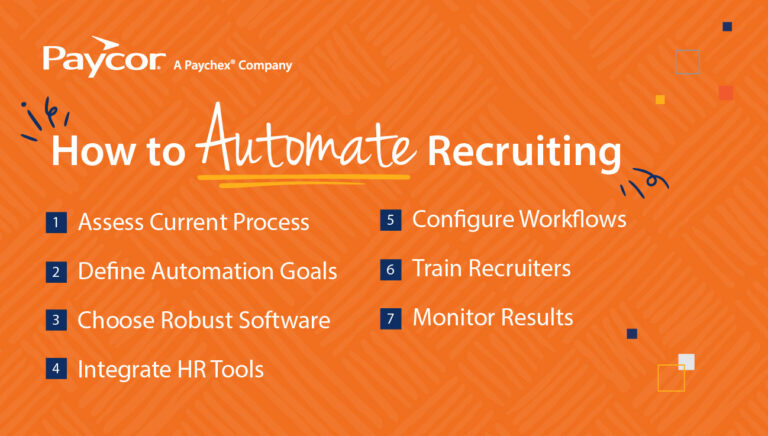
Ready to implement recruitment automation? Follow these steps to transform your hiring operation without disrupting current workflows.
Step 1: Assess Your Current Recruitment Process
First, map out your existing hiring workflow. Recruiters on your team can help you describe every step, from job requisition to offer acceptance. Which tasks are the most time-consuming? Of those, which are the most repetitive? These pain points are your best opportunities for automation.
Step 2: Define Your Automation Goals
What do you want automation to accomplish? Set specific, measurable objectives. For example, you might aim to reduce time-to-hire by 30% or cut recruiting costs in half. Clear goals help you select the right tools and measure your ongoing success.
Step 3: Choose the Right Recruiting Software
Not all recruiting automation platforms work the same way. Evaluate the options based on your specific needs, company size, and hiring volume. Look for software that integrates with your existing HR systems and offers the features you identified in step one. Consider ease of use, customer support, and scalability as your hiring needs grow.
Step 4: Integrate with Existing Systems
Your new recruiting software should connect seamlessly with your current HR tech stack. Find tools that integrate with your HRIS, payroll system, and onboarding platform to reduce duplicate data entry and ensure the smooth flow of information.
Step 5: Configure Automated Workflows
Set up the specific automation rules that match your unique hiring process. You can use email templates to streamline communication, define screening criteria to reduce bias, and establish approval workflows to save time for everyone. Customize the system to reflect how your team actually works, not how the software vendor thinks you should work.
Step 6: Train Your Recruiting Team
Technology is only helpful when people know how to use it. Provide thorough training for recruiters, hiring managers, and anyone else involved in hiring. Show them how automation makes their jobs easier, not how it replaces them. Address concerns and gather feedback during the learning period.
Step 7: Monitor Performance and Refine
Automation saves time, but it’s not a set-it-and-forget-it solution. After you launch your new recruiting process, carefully track the metrics you defined in step two. Continuously refine your workflows based on real results and feedback from your team.
Additional Recruitment Automation Ideas & Methods
These automation strategies can give your recruiting team an extra edge:
Use Recruiting Software with Built-In Automation
Comprehensive recruiting platforms combine multiple automation features in one system. Instead of piecing together separate tools, integrated software allows HR to handle everything from a single dashboard. Look for platforms with applicant tracking, candidate relationship management, and analytics. This unified approach gives HR a single source of truth.
Automate Job Posting to Multiple Boards
Stop manually uploading the same job to dozens of sites. Automated job posting pushes your posts to thousands of job boards with one click. Your listing hits LinkedIn, Indeed, Glassdoor, and specialized industry boards simultaneously, attracting more qualified candidates in minutes.
AI-Powered Candidate Sourcing
AI technology empowers HR to expand the talent pipeline quickly and easily. Automated sourcing tools scan millions of profiles, identifying both active job seekers and passive candidates who might be perfect for your role.
Nurture Relationships with Job Candidates
Your next great hire might not be looking for a job yet. When you set up an automated nurture campaign, you build durable relationships and prepare to fill future skill gaps. Share company news, industry insights, and relevant job openings through scheduled emails. When the right position opens, these candidates already know about your company.
Streamline Approvals
Tired of chasing down hiring managers? Automated workflows do the legwork for you, routing job postings and offer letters through the necessary approval levels. The system notifies each approver, tracks who’s reviewed what, and alerts you to roadblocks.
How Paycor Helps with Recruitment Automation
Paycor’s Recruiting Software streamlines the hiring process from job posting to offer acceptance. With it, leaders can easily post to 20,000+ job boards. AI-powered Smart Sourcing scans millions of candidate profiles to identify both active job seekers and passive candidates. The system empowers HR to simplify repetitive, error-prone tasks, giving recruiters more time to connect with top talent.
Everything integrates with Paycor’s HCM platform. When you make an offer, candidate data flows directly into onboarding. New hires complete paperwork before their first day, and their information automatically syncs with payroll. One system, one source of truth, from first contact to final paycheck.
Automate Recruiting Processes with Paycor Software
Stop letting manual recruiting slow down hiring. Paycor’s integrated HCM platform gives you the automation tools you need to fill positions faster and build stronger teams.
Schedule a guided tour to see how it works!
Recruitment Automation FAQs
Get answers to HR’s top questions about recruiting automation.
What is HR’s role in recruiting automation?
HR implements and manages recruiting automation. Your team selects tools, configures workflows, trains hiring managers, and monitors performance. While HR tech handles repetitive tasks, people still make the strategic decisions about who joins your team.
Who should use automated recruiting processes?
Any company that hires regularly can save time and money from recruiting automation. Small businesses compete with larger employers for top talent. Mid-size companies scale hiring without expanding HR headcount. Large organizations maintain consistency across departments and locations.
Do you have less control with automated recruiting?
No. In fact, automation gives you more control. You set the rules, define the criteria, and decide which tasks to automate. The system follows your instructions consistently. You can adjust workflows and refine your process based on real data.
How do you stay compliant using automated recruiting systems?
Choose recruiting software with built-in compliance features. Look for tools that automatically track EEO data, maintain audit trails, and ensure consistent evaluation. Automated systems apply the same standards to every applicant, reducing compliance risks.
How are talent acquisition and recruiting automation related?
Talent acquisition is your company’s overall strategy for finding and hiring new talent. Recruiting automation is the technology that makes your strategy work efficiently. Automation handles tactical execution so you can focus on strategic priorities like employer branding and workforce planning.
Can recruiting automation help reduce unconscious bias in hiring?
Yes. Automated systems evaluate candidates based on objective criteria, lowering the risk of unconscious bias. AI-powered candidate sourcing can identify diverse candidates who might not apply without being contacted first. Standardized screening and interview scorecards ensure every candidate goes through the same evaluation process.