








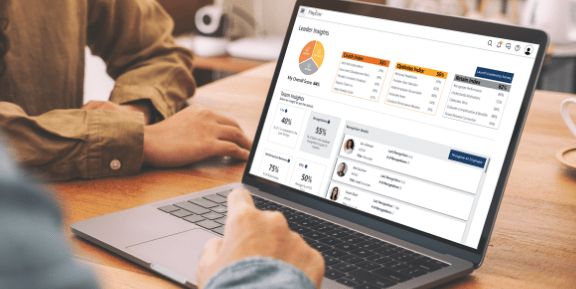

Your workforce generates data every day. Do you know which information is important? When you’re looking at hiring patterns, turnover trends, compensation gaps, benefits utilization, and employee sentiment…just to name a few…most HR teams barely have time to scratch the surface. The right HR analytics tools turn your raw numbers into a cohesive strategy.
This guide covers the best HR analytics tools on the market, what to look for before you pick one, and how to find the right fit for your team.
What Are HR Analytics Tools?
HR analytics tools are software platforms that collect, organize, and interpret workforce data so leaders can make smarter decisions. They pull from across your HR platform, and they empower HR to spot patterns that would otherwise stay buried in spreadsheets.
Some HR analytics platforms are purpose-built for deep workforce intelligence. Others are full HCM systems with analytics built in. Most teams use one or the other depending on the complexity of their data needs.
Importance of Using the Best HR Analytics Tools
HR data has never been more available…or more actionable. The right analytics tools pull from across your workforce to pinpoint complex patterns that inform your business strategy. Data-driven decision making in HR keeps you ahead of turnover, comp gaps, and headcount needs before they cause operational problems. The right analytics tools empower HR to:
- Spot turnover risks before employees start looking elsewhere
- Identify pay equity gaps before they become legal exposure
- Forecast headcount needs and tie them to actual business growth projections
- Connect engagement data to performance outcomes
- Demonstrate HR’s business impact to the C-suite with hard numbers
There’s a growing gap between the organizations that use people analytics strategically and those where HR runs on guesswork. The right HR analytics software can help you close it.
Factors to Consider When Choosing HR Analytics Software Tools
Not every platform works for every team. Before evaluating vendors, consider these key issues.
Integration with Your Existing Systems
Your analytics are only as good as the data that feeds them. If a tool can’t connect cleanly to your payroll system, HRIS, or ATS, it will produce incomplete reports. Look for pre-built integrations or confirmed API connectivity.
Ease of Use for Non-Data Analysts
Few HR teams have data scientists on staff…and even fewer have the time to learn those skills from scratch. Look for platforms that translate workforce data into dashboards HR generalists can navigate without heavy training.
Predictive Capabilities
Descriptive analytics tell you what happened. Predictive HR analytics tell you what’s coming. Look for platforms with tools like flight risk modeling, headcount forecasting, and attrition prediction that help your team plan for the future.
Scalability
Your analytics needs today won’t look the same in three years. Make sure a platform can accommodate a growing volume of data, additional modules, and changing reporting requirements.
Data Security and Compliance
Workforce data is sensitive. Make sure any platform you consider meets current security standards and complies with applicable regulations for your industry and locations.
Best HR Analytics Tools and Software
Here’s a look at the leading platforms, from full HCM suites with built-in analytics to dedicated workforce intelligence tools.
1. Paycor
Paycor is an HCM platform that connects analytics directly to the payroll, time, talent, and HR data your organization already generates. Its analytics software gives HR leaders real-time visibility into headcount, compensation, turnover, and labor costs, with AI-powered intelligence that identifies risks before they become problems.
Key Features:
- AI-powered flight risk modeling that identifies at-risk employees up to 12 months out
- Up to seven years of workforce data history for long-term trend analysis
- Compensation breakdowns that compare total spend against budget and flag pay equity gaps
- Custom reports with advanced filters, pre-built templates, and automated stakeholder delivery
- AI assistant for querying workforce data in plain language
2. Paychex
Paychex Flex is an all-in-one HR platform combining payroll, benefits, time and attendance, and workforce analytics. AI-powered analytics software delivers data-driven insights across payroll, HR, and benefits.
Key Features:
- Workforce analytics across payroll, benefits, and HR to support labor cost control and retention planning
- AI-powered predictive dashboards for identifying and interpreting workforce trends
- Configurable reporting to track the metrics most relevant to your organization
- Scalable platform tiers with flexible support options for organizations of varying sizes
3. ADP Workforce Now
ADP Workforce Now is a cloud-based HCM platform built on a single database, consolidating payroll, HR, benefits, time tracking, talent management, and analytics. It serves mid-sized to enterprise organizations and includes built-in benchmarking tools that draw from a large employer dataset.
Key Features:
- ADP DataCloud benchmarking to compare compensation and workforce metrics against industry and regional peers
- Real-time manager dashboards for workforce cost visibility and labor analytics
- Proactive compliance alerts and state registration tools for multi-state and multi-entity organizations
4. Workday HCM
Workday HCM includes HR, payroll, talent management, and workforce planning. Analytics span real-time reporting, configurable dashboards, and planning scenarios. Workday Prism Analytics is available for organizations that need to blend external data with native Workday data.
Key Features:
- Real-time reporting and configurable dashboards connecting HR and financial data across the organization
- Workday Prism Analytics for blending external data alongside native Workday data
- Headcount planning, skills gap analysis, and scenario modeling for large organizations
- Built for global operations, multi-entity structures, and complex compliance needs
5. Visier
Visier is a dedicated people analytics platform that centralizes workforce data from an organization’s existing HR, payroll, and HRIS systems. Unlike HCM platforms with analytics modules, Visier’s sole focus is workforce intelligence, making it a common choice for enterprises that already have an HCM in place and need even more analytical power.
Key Features:
- Centralized workforce data from multiple source systems with predictive analytics across headcount, turnover, compensation, and other metrics
- Native connectors and APIs to HR, payroll, and HRIS systems
- Visier Extend for integrating custom data sources and building analyses beyond standard templates
- Purpose-built reporting views for HR, finance, and executive audiences
What Are the Best HR Analytics Software Features?
The strongest platforms share a core set of capabilities. Here’s what to prioritize.
Real-Time Reporting and Dashboards
Static monthly reports aren’t enough. Look for platforms that deliver workforce data in real time with configurable dashboards you can tailor to your team’s needs.
Predictive Analytics and Flight Risk Modeling
The most actionable analytics forecast what’s coming, not just what happened. Predictive models for turnover risk, hiring needs, and succession gaps give HR the lead time they need to make proactive changes.
Compensation Analysis and Pay Equity Reporting
Pay equity is both a compliance and a retention issue. Look for built-in tools that analyze compensation by department, role, tenure, and demographic, so HR can catch gaps early and avoid compliance problems.
Integration Capabilities
No analytics platform operates in a vacuum. Look for a tool with broad integration support through some combination of native connectors, APIs, or marketplace partnerships. This determines how much data you’ll be able to access, and how effectively it can inform your strategy.
So, What Is the Best HR Analytics Tool?
The right answer depends on your workforce size, data complexity, and whether you want analytics built into your HCM or a standalone platform layered on top. When you’re making the decision, HR should consider a few key differentiators.
Platforms built on a unified data architecture (where payroll, time, talent, and HR data all live in one system) tend to produce more reliable reporting than those stitching together multiple sources. Predictive capabilities vary significantly across tools, from basic trend reporting to AI-powered flight risk modeling. And stakeholder fit matters: some platforms are built for HR teams, others extend reporting to finance and executive audiences as well.
Use the comparison below as a starting point, then evaluate each option against your specific requirements.
Comparison of HR Analytics Tools
| Platform | Best For | Analytics Approach | Notable Capability |
| Paycor | Mid-size to enterprise organizations | Built-in analytics within full HCM platform | AI-powered predictive resignation modeling; 7-year data history |
| Paychex | Small businesses and growing organizations | Analytics integrated within Flex HCM suite | Predictive dashboards; workforce trend identification |
| ADP Workforce Now | Mid-size to enterprise | Analytics within full HCM platform | DataCloud compensation benchmarking against large employer dataset |
| Workday HCM | Large enterprise and global organizations | Unified HR/finance analytics architecture | Blending internal and external data sources |
| Visier | Organizations needing dedicated people analytics | Standalone analytics platform with multi-source data ingestion | Purpose-built for workforce intelligence |
Why Paycor Is Considered a Leading HR Analytics Software
Paycor is an HCM platform that connects analytics directly to your payroll, time, talent, and people data, so your dashboards reflect what’s happening in your workforce, in real time.
Paycor’s analytics and reporting tools are built into the same platform that runs payroll and manages your workforce — no manual data transfers required. From AI-powered predictive resignation alerts to compensation analysis and seven-year trend data, Paycor gives HR the insight to get ahead of issues before they become serious roadblocks. The platform’s AI assistant lets anyone on the team query workforce data in plain language, and seamless integrations through Paycor Marketplace let HR consolidate data without rebuilding your tech stack.
Use Paycor Analytics HR Analytics Tools
Your workforce data is only valuable if you can use it. Paycor’s unified HCM brings payroll, HR, time, talent, and engagement data together in one unified platform. Powerful analytics software translates into real-time insights leaders can use to improve their strategy and drive long-term results.
Ready to see what your data can tell you? Schedule a guided tour to get started.
FAQ
Learn more about how to find the best HR analytics software for your team.
What are HR analytics tools?
HR analytics tools collect and analyze workforce data related to hiring, turnover, compensation, performance, and more, empowering HR teams to make better decisions. They can be full HCM platforms with built-in analytics or dedicated workforce intelligence systems.
What is the best HR analytics tool for small businesses?
Small businesses benefit most from analytics embedded within their existing payroll or HR platform. Look for tools that highlight key metrics like turnover, time-to-hire, headcount, and labor costs, without requiring a data analyst to understand the big picture.
What is the difference between HR analytics and people analytics?
HR analytics measures process efficiency; think time-to-hire, cost-per-hire, and training completion. People analytics connects workforce data to business outcomes: which management behaviors drive retention, and how team composition affects revenue. The best platforms support both.
What are the best workforce analytics tools?
The strongest workforce analytics tools combine real-time reporting, predictive modeling, compensation analysis, and integration with your core HR and payroll systems. The best fit depends on your organization’s size and data complexity.
How do HR analytics tools improve decision-making?
They replace intuition with evidence. Instead of guessing why turnover spiked or who’s a flight risk, HR teams can see the patterns and act on specific, timely information.
Legal Disclaimer: The information in this article is based on research of the third-party review websites cited below and publicly available data. Information is accurate as of July 29th, 2026 and is subject to change.