








One Minute Takeaway
- HR technology refers to the software organizations use to manage the employee lifecycle, from the first job posting to the final paycheck.
- HR technology trends for 2027 include agentic AI, predictive people analytics, and skills-based talent management.
- HR and IT teams should work together to implement and manage new tech solutions.
Technology continues to change the HR industry, and it’s important for HR leaders to keep up, both for their career trajectories and the organizations they serve.
Expectations are shifting on every side. Employees want to handle HR tasks from their phones, and leaders want workforce data they can act on. AI is accelerating many of these changes, while regulators in several states are setting rules for how employers can use automated tools to make decisions about workers.
The human resource technology trends below reflect where tech is headed and how HR teams can prepare.
What is HR Technology?
HR technology refers to the software organizations use to manage the employee lifecycle, from the first job posting to the final paycheck. It covers the transactional work that keeps a business compliant and the strategic work that helps it find and keep good people.
Most HR technology falls into a handful of categories:
- Core HR and payroll
- Talent acquisition
- Talent management
- Workforce management
- Benefits administration
- Analytics and AI
While tools can be acquired à la carte, most HR leaders prefer a unified human capital management (HCM) platform with AI built in, so data from one area can inform decisions in another.
Why HR Technology Matters
HR teams are being asked to manage more with the same resources. Deloitte’s 2026 Global Human Capital Trends report found that one-third of surveyed workers went through 15 major changes in the past year. HR teams absorb much of that strain.
The right technology gives HR teams time back. Automating routine work like onboarding paperwork and time-off approvals frees HR professionals to focus on coaching managers and solving people problems. Connected systems also give leaders better data for decisions about hiring and retention.
AI is expanding what HR technology can do, but adoption inside HR has been uneven. According to SHRM’s State of AI in HR 2026 research, 39% of organizations have implemented AI in their HR functions, and another 7% plan to this year. Among HR functions, 56% do not formally measure whether their AI investments are succeeding. Organizations that adopt new technology with a clear plan for implementation and success measurement gain a competitive advantage.
8 Top HR Tech Trends for 2027
Each of the trends below is already underway, and most will pick up speed in 2027. Taken together, they point to an HR function that spends less time on administration and more time on decisions that affect people and performance.
1. AI-Powered Automation and Agentic AI
The first wave of AI in HR answered questions. The next wave does the work. Agentic AI can take a request and carry out the steps needed to complete it across systems, with a person approving the outcome.
HR leaders expect this shift to move fast. In a 2025 Salesforce survey of 200 CHROs, respondents projected that AI agent adoption in their organizations would climb from 15% to 64% by 2027, with an expected productivity gain of 30% once agentic AI is fully in place.
In practice, an agent might notice a new hire’s onboarding paperwork is incomplete, send the right forms, and update the record. Another might flag an employee nearing an overtime threshold and suggest a schedule change to the manager. Neither replaces HR judgment. Both remove the follow-up work that crowds it out.
2. Responsible AI Governance and Data Security
As AI takes on more of the work, the question shifts from what it can do to what it should be allowed to do. Yet SHRM found that 52% of organizations do not involve HR in developing their AI strategy, even though HR systems hold some of the most sensitive data a company has, including compensation and performance history.
Regulation is also catching up. In California, using an automated-decision system can violate state anti-discrimination law if it harms applicants or employees based on protected characteristics. Employers must also keep employment records, including automated-decision data, for at least four years. Per Public Act 103-0804, Illinois employers must notify applicants when AI is used in employment decisions and cannot use zip codes as a proxy for protected classes.
Good governance starts with an inventory of every tool that influences hiring or pay decisions. From there, define where a person must review AI output, and ask vendors whether employee data is used to train outside models. Because requirements vary by state, confirm your obligations with legal counsel.
3. Enhanced Employee Experience Platforms
A growing share of the interactions that shape how employees feel about their employer now happen through HR technology, from the onboarding portal a new hire opens before day one to the mobile app where an hourly worker swaps a shift.
Employee experience platforms are becoming more personalized, so employees see information relevant to their role and location. Short pulse surveys allow for continuous feedback, while AI assistants can answer benefits and policy questions at any hour.
HR technology can also connect employees with wellbeing resources, from mental health support and wellness programs to benefits and other services available through an employer. These tools make it easier to support employees throughout their tenure, not just at major milestones.
4. Predictive People Analytics and Data-Driven Decision-Making
Predictive analytics helps identify patterns that come before a problem, such as a drop in pulse survey scores or a long stretch since an employee’s last raise. That early warning matters. In a Gallup study of employees who voluntarily left their jobs, 42% said their manager or organization could have done something to keep them, and 45% said little was done in the three months before they left to discuss how their job was going.
Paycor’s AI-powered predictive resignation feature identifies employees at risk of resigning and factors driving resignation risk. Those insights give managers a chance to intervene.
5. Skills-Based Talent Management and Learning
Job titles and degrees are becoming less reliable guides to what people can do. According to the World Economic Forum’s Future of Jobs Report 2025, employers expect 39% of workers’ core skills to change by 2030.
Skills profiles in the HR system and team-level skill gap analysis helps organizations see what capabilities they already have, while tailored learning recommendations help close the gaps. That visibility enables companies to fill roles internally faster and hire for demonstrated ability instead of credentials alone.
6. Hybrid and Remote Work Technology
Hybrid work has settled in as the norm for jobs that can be done remotely. As of May 2026, Gallup reports that among remote-capable U.S. employees, 52% work hybrid and 26% work fully remote. The research also shows that remote and hybrid employees are more likely to be engaged and thriving than on-site employees in remote-capable roles.
Distributed teams need mobile access to pay stubs and time-off requests, along with virtual onboarding. Scheduling tools need to handle shift swaps and approvals from anywhere.
Remote work brings compliance complexity, too, since an employee who moves to a new state can trigger different payroll tax and leave requirements. HR systems that track work location help prevent costly errors.
7. Employee Wellbeing and Mental Health Technology
Employee wellbeing has moved from a benefits line item to a business priority, and it covers more than physical health. Mental health and financial stability both shape how employees feel and perform at work, and both are under strain.
In the American Psychological Association’s 2026 Work in America survey, 37% of U.S. workers said their work environment has a negative impact on their mental health, up from 32% the year before.
Financial pressure adds to that stress. PwC’s 2026 Employee Financial Wellness Survey found that 59% of respondents are stressed about their finances, and 49% say their pay isn’t keeping up with costs. This results in employees who are 5x more distracted at work and spend 3+ hours a week of work time dealing with financial concerns
HR technology helps employers support wellbeing earlier and more consistently. On the mental health side, mobile access to employee assistance programs and wellness resources makes it easier for employees to ask for help. Earned wage access and financial wellness tools give employees options before a short-term cash problem becomes a crisis.
Workforce data can also help managers spot strain before it turns into burnout. Scheduling and time data may show patterns like consistent overtime or unused paid time off, giving managers a reason to check in. Because this data is sensitive, look at trends in aggregate where possible and be transparent with employees about what is tracked.
8. HR & IT Convergence and Integrated Technology Ecosystems
HR and IT are working together more closely because nearly every HR process now runs on technology. HR understands the people processes and employment rules those systems need to support, while IT understands the infrastructure, security, and data they run on. Neither team can choose, implement, or maintain HR technology well without the other.
The overlap shows up in everyday work. When a new hire joins, HR sets up their employee record while IT provisions their laptop and system access. When someone leaves, both teams need to act quickly so final pay is handled correctly and access to company systems is removed. HR systems also hold some of the most sensitive data a company has, which makes security a shared responsibility. New tools like AI raise the stakes further, since they depend on clean, well-governed data.
Integration is a big part of why this partnership matters. Disconnected systems force HR teams to reconcile data by hand, and they make it harder to get a full view of the workforce. Organizations are moving toward unified platforms or well-integrated stacks with one source of truth for employee records.
In practice, the partnership works best when it’s built into how decisions get made. HR and IT can evaluate new vendors together, agree on who owns which employee data, and set access permissions jointly. A standing group with members from both teams gives these decisions a regular home instead of leaving them to one-off conversations.
How to Prepare Your Organization for HR Tech Trends
Prepare for HR trends with these steps:
Assess Current Tech Stack
Start with an inventory of the HR tools you use. Look for challenges, such as the same data living in more than one disconnected system or teams relying on spreadsheets and manual workarounds. Then ask HR staff and managers where they lose the most time. Their answers often point to the biggest opportunities.
Prioritize by Impact and Readiness
Rank potential improvements by how much time or risk they would remove and how prepared your organization is to adopt them. High-volume administrative tasks with clear rules are usually the fastest wins. Changes that affect hiring or pay decisions need more groundwork, including human review steps and a check against state AI requirements. Bring IT into these conversations early so security and integration questions don’t stall a project later.
Create a Rollout Plan
New tools only deliver value if people use them. Start with a pilot group for new tech, and define what success looks like before launch. Train managers first, since employees often take their cues from them. After a few months, review the results and adjust before expanding to the rest of the organization.
How Paycor Helps
Paycor’s Intelligent HCM platform, supported by Paycor WISE, helps HR teams act on these trends without adding more systems to manage. WISE works inside the Paycor platform to add intelligent insights to your daily routine.
Its agentic AI workflows can reason, orchestrate, and advance work. An example of a workflow you can set up: A new hire’s onboarding paperwork is incomplete. WISE identifies the gap, sends the employee the right forms, follows up, and updates the record.
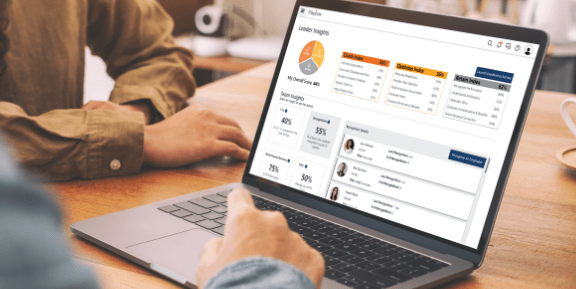
The WISE Intelligent Dashboard surfaces insights by role to show what matters. Those insights include headcount trends, compliance gaps, expiring certifications, and missing data. WISE is built on enterprise-grade security standards, so those insights remain secure.
Ready to see how Paycor helps HR leaders stay ahead of the curve? Take a guided product tour today.